

Every cell in your body runs on oxygen. Strip it away and tissue begins to fail within minutes. Give it in abundance, at pressure, and something remarkable happens: the body accelerates its own healing in ways that were once considered the stuff of science fiction.
Hyperbaric oxygen therapy (HBOT) has quietly moved from a niche treatment to a cornerstone of modern wound care and surgical recovery. Here is why.
What Is Hyperbaric Oxygen Therapy?
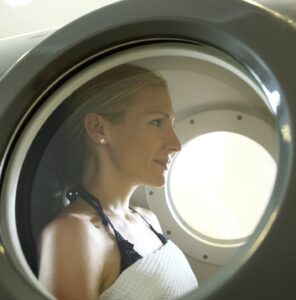
HBOT involves breathing pure 100% oxygen inside a pressurised chamber, typically at 1.5 to 3 times normal atmospheric pressure. At sea level, your blood plasma carries relatively little dissolved oxygen; red blood cells do the heavy lifting. Under hyperbaric conditions, the pressure forces oxygen directly into blood plasma, cerebrospinal fluid, lymph, and even bone, reaching tissues that red blood cells sometimes cannot.
A standard session lasts 60 to 90 minutes. Patients lie comfortably inside the chamber, breathe normally, and let physics do the work
The Science Behind the Pressure
When oxygen is delivered at elevated pressure, several things happen simultaneously:
Oxygen saturation spikes dramatically. Plasma oxygen levels can increase by up to 1,200% compared to breathing normal air. This floods hypoxic (oxygen-starved) tissue with the fuel it needs to regenerate.
New blood vessels form. Angiogenesis, the growth of new capillaries, is directly stimulated by HBOT. The body lays fresh vascular infrastructure into damaged areas, permanently improving circulation.
Inflammation is modulated. HBOT has been shown to reduce inflammatory cytokines and oedema, calming the excessive inflammatory response that can slow healing and cause secondary tissue damage.
Stem cell mobilisation increases. Research has found that HBOT can increase circulating stem cells eightfold, seeding damaged areas with the building blocks for repair.
Bacteria struggle to survive. Many anaerobic bacteria, the kind that cause serious wound infections, cannot tolerate high-oxygen environments. HBOT effectively becomes an antimicrobial tool.
General Benefits of HBOT
Beyond wound care, HBOT has an established or emerging role in a wide range of conditions:
- Traumatic brain injury and concussion: improved oxygenation to damaged neural tissue
- Stroke recovery: stimulating neuroplasticity in oxygen-deprived brain regions
- Carbon monoxide poisoning: rapidly displacing CO from haemoglobin
- Decompression sickness: the original and most well-established use
- Radiation injury: repairing tissue damaged by radiotherapy
- Diabetic foot ulcers: dramatically reducing amputation rates
- Sports recovery: reducing muscle fatigue and inflammation after intense training
- Chronic fatigue and fibromyalgia: emerging evidence for symptom relie
Why HBOT Is Particularly Powerful for Post-Surgical Wound Healing
Surgery, by its nature, is controlled trauma. Incisions sever blood vessels, disrupt tissue perfusion, and trigger inflammation. For most healthy patients, wounds close uneventfully. But for a significant subset, including those with diabetes, vascular disease, obesity, or immunosuppression, or those recovering from complex reconstructive procedures, the biology of healing can falter.
This is where HBOT earns its most compelling case.
1. It Rescues Hypoxic Wound Edges
The margins of a surgical wound are often the most vulnerable. Reduced circulation from swelling, sutures, or underlying vascular disease means these tissues sit on the edge of oxygen deprivation. Without sufficient oxygen, fibroblasts, the cells responsible for laying down collagen and closing wounds, cannot function. HBOT floods these tissues with dissolved oxygen, restoring the metabolic capacity to heal.
2. It Dramatically Reduces Infection Risk
Surgical site infections (SSIs) are a serious complication, affecting up to 3% of procedures and accounting for substantial morbidity and extended hospital stays. HBOT creates an oxygen-rich environment that is hostile to anaerobic pathogens, while simultaneously enhancing the ability of white blood cells (neutrophils) to kill bacteria. Studies have shown HBOT can significantly reduce SSI rates in high-risk patients.
3. It Supports Collagen Synthesis
Collagen is the structural scaffolding of wound repair. Its synthesis is almost entirely dependent on adequate oxygen. Specifically, oxygen is required as a cofactor in the hydroxylation of proline and lysine, the amino acids that give collagen its tensile strength. HBOT provides the oxygen surplus needed for robust, well-organised collagen deposition, leading to stronger, better-healed scars.
4. It Accelerates Recovery from Flaps and Grafts
Skin flaps and grafts, used in reconstructive surgery, burn treatment, and cancer surgery, are particularly vulnerable in the early post-operative period before their blood supply is re-established. HBOT is now routinely used in many reconstructive surgery centres to improve flap and graft survival rates, with evidence showing meaningful reductions in flap necrosis.
5. It Reduces Oedema
Post-surgical swelling is not merely uncomfortable; it compresses capillaries and reduces oxygen delivery to the very tissue trying to heal. HBOT causes vasoconstriction that paradoxically reduces oedema while simultaneously increasing dissolved oxygen, resulting in a significant improvement in tissue oxygenation.
6. It Stimulates Growth Factors
HBOT upregulates vascular endothelial growth factor (VEGF) and other growth factors that orchestrate tissue repair. This creates a cascade of healing signals that persist well beyond the treatment session itself.
Who Benefits Most?
HBOT for post-surgical wound healing is particularly indicated for:
- Diabetic patients: impaired circulation and neuropathy make healing unreliable
- Those with peripheral artery disease: vascular compromise limits oxygen delivery
- Immunocompromised individuals: on steroids, chemotherapy, or post-transplant
- Obese patients: adipose tissue is poorly perfused and highly susceptible to necrosis
- Smokers: chronic nicotine-induced vasoconstriction impairs wound oxygenation
- Patients with previous radiation to the surgical site: radiation devastates local vasculature
- Non-healing wounds: where conventional treatment has stalle
What the Research Says
The evidence base for HBOT in wound healing is substantial and growing:
- A Cochrane review of HBOT for chronic wounds found significant improvements in healing rates compared to standard care alone.
- Studies in diabetic foot ulcers consistently show reduced amputation risk, with one landmark trial demonstrating a 50% reduction in major amputations with adjunctive HBOT.
- In radiation-damaged tissue, HBOT has shown the ability to regenerate functional vasculature where virtually none existed, restoring healing capacity to tissue once thought permanently compromised.
What to Expect From Treatment
A typical course for post-surgical wound healing involves 20 to 40 sessions, usually once daily, five days per week. The treatment is non-invasive and generally well tolerated. Most patients report no significant discomfort; some experience mild ear pressure, similar to descending on an aeroplane, which is easily managed by swallowing or yawning.
Side effects are rare but can include temporary short-sightedness and, very rarely, oxygen toxicity. Both risks are carefully managed by trained hyperbaric medicine specialists
The Bottom Line
Hyperbaric oxygen therapy is not a fringe treatment. It is a physiologically grounded, evidence-backed intervention that works with the body’s own biology, giving it the oxygen surplus it needs to rebuild, resist infection, and recover.
For patients facing complex surgical wounds, or whose healing has stalled despite conventional care, HBOT offers something genuinely remarkable: a way to change the wound environment at a cellular level, accelerating recovery and, in many cases, saving tissue that might otherwise be lost.
If you are preparing for surgery or managing a difficult wound, it is worth speaking with a specialist in hyperbaric medicine to find out whether HBOT could be part of your recovery plan.
Come and experience it for yourself at Harley Longevity Club, where our HBOT sessions are available to book today.
